
Loading...
Serving Sierra Vista, AZ and surrounding areas. (520) 523-1076
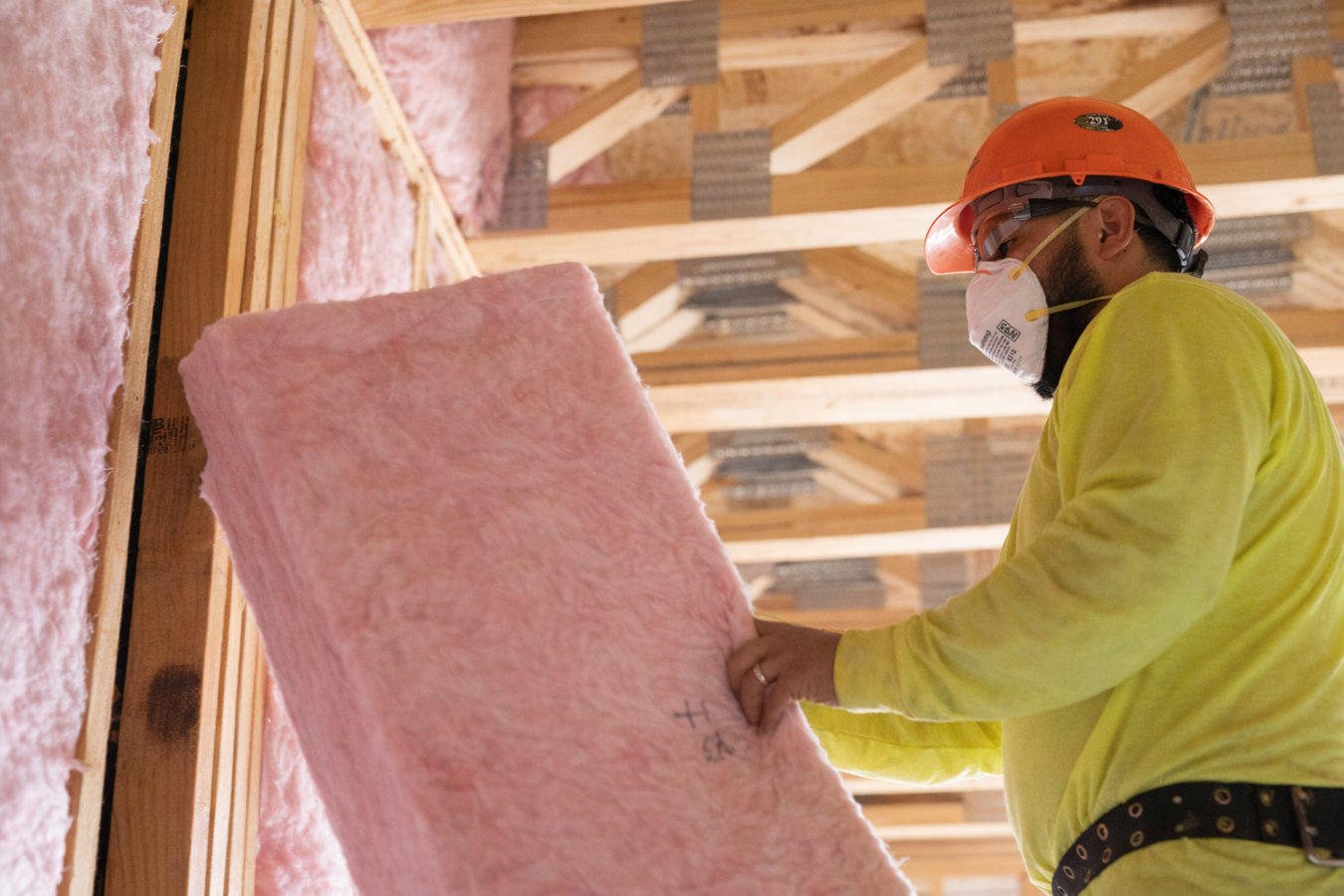
Older Sierra Vista homes lose conditioned air every day through under-insulated attics and walls. Retrofit insulation adds the material your home is missing - without tearing out drywall or moving out - so your AC can finally keep up with the summer heat.
Retrofit insulation in Sierra Vista, AZ means adding blown-in, spray foam, or dense-pack material to a home that is already built - without a major renovation - and most attic projects are completed in a single day with no need to vacate your home.
A lot of Sierra Vista homeowners assume their home has adequate insulation because it looked fine when they bought it. The problem is that most of the housing stock here was built during the city's military-era growth years - the 1970s through the 1990s - to minimum standards that are well below what is recommended today. Insulation also settles and loses performance over time. If your home is more than 20 years old and has never had insulation work done, it is almost certainly losing conditioned air through the attic every hour of the day. A retrofit brings that performance up to current standards without gutting your walls or moving out for a week. For many Sierra Vista homeowners, pairing a retrofit with attic air sealing is the single most impactful upgrade they can make to their home.
The work is less disruptive than most homeowners expect. For attic insulation, the crew runs a blowing hose up through the access hatch and fills the space to the correct depth while you go about your day. For wall insulation, small holes are drilled in the exterior or interior, material is injected, and the holes are patched and painted so they are barely visible. Most projects are done and cleaned up before dinner.
If your air conditioner runs almost constantly during July and August but certain rooms still feel stuffy or five degrees warmer than your thermostat setting, an under-insulated attic is usually the first place to check. In Sierra Vista, attic temperatures can exceed 140 degrees on a summer afternoon - and without adequate insulation between that heat and your living space, the AC is fighting a losing battle.
A steady or sudden increase in summer cooling costs - without a change in your habits - points to a thermal envelope that is letting heat in faster than your system can remove it. Sierra Vista homeowners on APS or Tucson Electric Power service can pull up year-over-year usage comparisons in their online account. If your cooling costs have climbed without explanation, insulation is one of the first things worth investigating.
Stand near an exterior wall or press your hand against the ceiling on a hot day. If the surface feels noticeably warm, heat is conducting through from outside. This is especially common in older Sierra Vista homes with block or stucco construction where wall insulation was minimal or never installed at all.
Homes built during Sierra Vista's military-era growth boom were often constructed to the minimum standards of the time - well below what is recommended today. Insulation also settles over decades and loses effectiveness. If you have lived in your home for years and cannot recall any insulation work, a quick attic inspection by a contractor can confirm what is there in under an hour.
Every retrofit project starts with an inspection, not a sales pitch. We look at what is already in your attic and walls, identify where the biggest losses are happening, and recommend the most cost-effective path forward. For most Sierra Vista homes, the attic is the first priority - it is where the biggest temperature differential exists and where you get the clearest return on the investment. We pair every attic retrofit with attic air sealing to close gaps before the new material goes in, because insulation over unsealed openings does not perform the way it should. For homes where maximum performance is the goal, we also offer spray foam insulation, which handles both air sealing and thermal resistance in a single application and is particularly effective in crawl spaces, rim joists, and hard-to-reach wall cavities.
The U.S. Department of Energy identifies the attic as the highest-priority area in most existing homes for insulation upgrades - and the research consistently shows that combining air sealing with added insulation produces the best outcome for both comfort and energy bills. We also handle whole-home insulation assessments for homeowners who want a complete picture of where their home is losing energy, not just a single-area fix.
Best for most Sierra Vista homes - blown-in cellulose or fiberglass fills the attic to the correct depth quickly and works well with the existing structure.
For homes with hollow exterior wall cavities, dense-pack material is injected through small holes to fill the space completely without opening up the walls.
Ideal for crawl spaces, rim joists, and areas where air sealing and insulation need to be addressed together in a single step.
For homeowners who want to know where every dollar of energy improvement will go furthest across the attic, walls, and floors.
Sierra Vista sits at roughly 4,600 feet in the Sulphur Springs Valley, which gives it a two-season climate that is unusual for Arizona. Summers deliver intense sun and daytime highs regularly above 90 degrees, and attic spaces can reach well above 140 degrees by mid-afternoon. That heat radiates directly into living spaces when insulation is inadequate or missing entirely. But unlike Phoenix or Tucson, Sierra Vista also has real winters - freezing nights, occasional snow, and freeze-thaw cycles that stress building materials. An under-insulated home here loses money on both the cooling and heating side of the ledger. The combination makes retrofit insulation one of the most cost-effective improvements a Sierra Vista homeowner can make. Homeowners in nearby Benson face the same two-season thermal pressure and benefit from the same approach.
Monsoon season adds a second layer of urgency specific to this area. From roughly July through September, Sierra Vista receives heavy afternoon thunderstorms that can push moisture through gaps in the roof and attic before you even notice there is a problem. Wet insulation loses most of its ability to slow heat transfer - and can become a source of mold on attic framing if it stays damp. A thorough retrofit includes a moisture inspection and seals any gaps around roof penetrations before new material goes in. Homeowners across the region, including those we serve in Douglas, deal with the same combination of summer heat and monsoon moisture and get the same pre-install inspection as part of every job.
We ask a few basic questions - the age of your home, your main concern, and whether you have had any insulation work done before. We respond within 1 business day and schedule a free in-home assessment at a time that works for you. No commitment required at this stage.
A contractor visits your home, inspects your attic and any other areas of concern, measures what is already there, and checks for moisture or air leakage issues. You receive a written estimate describing exactly what will be done and the total cost - broken out by area and material so you can compare quotes clearly.
The crew arrives with a blowing machine, seals all attic gaps and penetrations first, then installs insulation to the correct depth. A depth gauge confirms the material meets the specified level before the crew packs up. Most attic jobs are done in a single day. You can stay home the entire time.
The crew cleans up, patches any wall holes if wall insulation was done, and walks you through what was installed. We provide written documentation of the work - including material type, coverage area, and depth achieved - which you will need to claim the federal energy efficiency tax credit if you are eligible.
We inspect your attic and walls at no charge, measure what is already there, and give you a written estimate showing exactly what needs to be added and what it costs. No guessing, no obligation - just a clear picture of your home.
(520) 523-1076Every retrofit starts with a free written estimate that spells out the material, the coverage, and the cost in plain terms. You can review it in about two minutes and compare it against other quotes on your own time before you commit to anything. That written record gives you real recourse if the finished work does not match what was agreed, which a verbal handshake never will.
Adding blown-in insulation over unsealed gaps is one of the most common mistakes in this industry. The insulation covers the opening, but conditioned air still moves through it. We seal every attic penetration before the blowing machine starts - not as a premium add-on, but as the standard way the job is done. If you are getting multiple quotes, ask each contractor whether air sealing is included and done first. That answer tells you a lot.
We have been working on homes across Sierra Vista and Cochise County since 2023, which means we know what the housing stock here looks like - the Fort Huachuca-era tract homes, the stucco ranch houses in older neighborhoods, and the newer subdivisions on the north end of town. That experience matters when you are assessing what a home actually needs rather than applying a one-size approach.
Homeowners can currently claim a federal tax credit of up to 30 percent of insulation material costs under the Inflation Reduction Act. We provide detailed post-job documentation - material type, coverage area, depth achieved, and itemized invoice - so you have everything you need to file the credit. The credit applies to materials, not labor, so ask your contractor to itemize the invoice before work begins.
The North American Insulation Manufacturers Association sets installation quality guidelines that go beyond the minimum code requirements - covering consistent coverage, correct depth, and proper handling of existing materials. We follow those guidelines on every retrofit job in Sierra Vista.
For crawl spaces, rim joists, and areas where you want air sealing and thermal resistance handled in a single application rather than two separate steps.
Learn moreA whole-home insulation review covers attic, walls, and floors together so you know where every dollar of improvement will go furthest.
Learn moreSpring is the best time to act - projects completed before monsoon season mean you capture the full benefit of a cooler, tighter home through the hottest months. Call or submit a request for a free attic inspection and written estimate.