
Loading...
Serving Sierra Vista, AZ and surrounding areas. (520) 523-1076
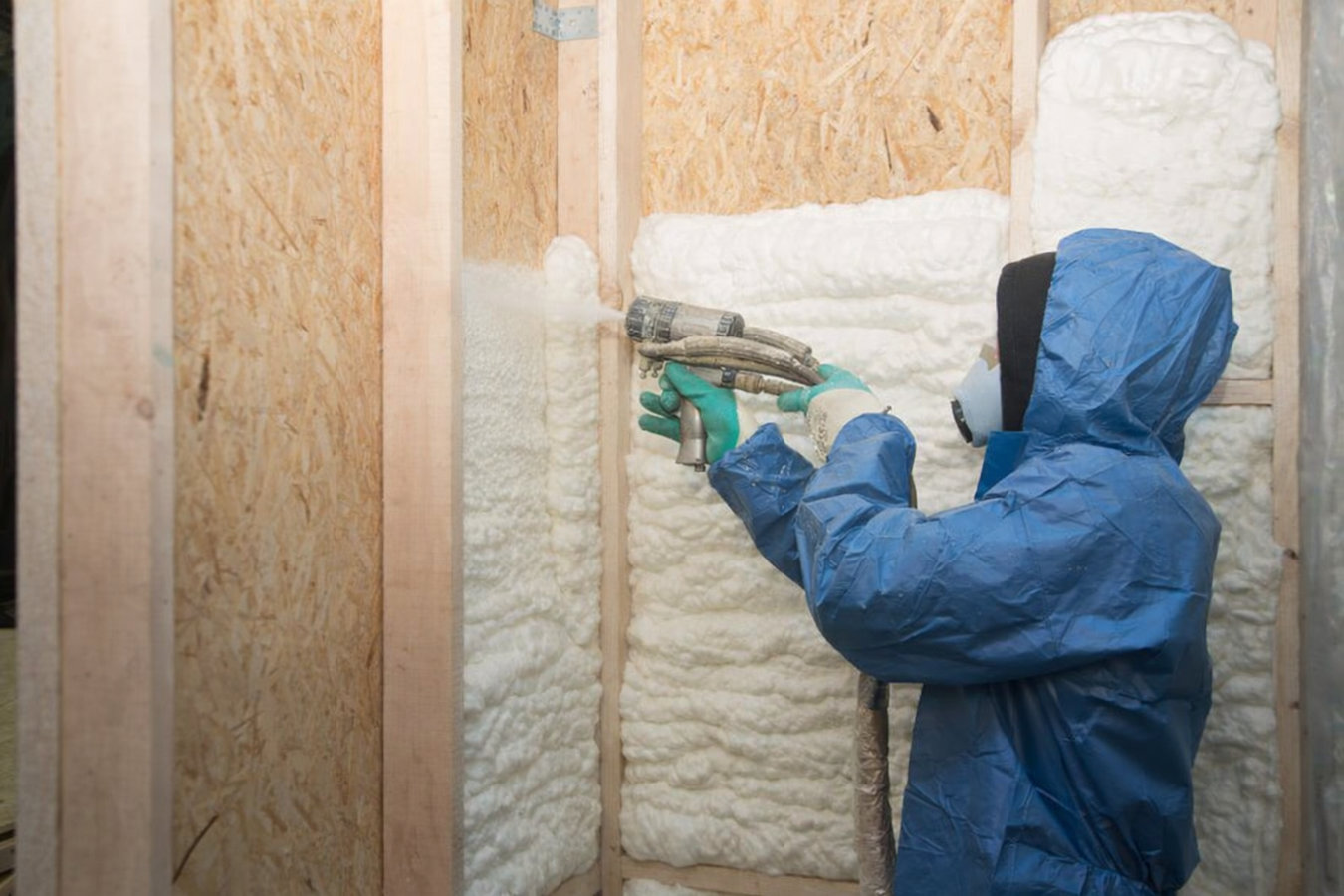
Sierra Vista Insulation serves Tucson homeowners with spray foam, attic insulation, blown-in, and air sealing - from the postwar ranch homes in midtown to the tile-roof properties in the Foothills. Locally operated, with free written estimates.
Tucson homes face roughly 100 days above 100 degrees Fahrenheit each year, and attic temperatures can exceed 150 degrees on a summer afternoon. Our spray foam insulation seals air gaps and delivers high R-values in one step - the most effective defense against the sustained heat load that Tucson rooftops deal with from May through September.
A large share of Tucson homes were built between 1950 and 1980 and have original attic insulation that has settled significantly or was never installed to a depth that meets today's guidelines. Upgrading to the DOE-recommended R-38 or higher for Tucson's Climate Zone 2 is one of the fastest ways to reduce how hard your AC runs from May through September.
Blown-in insulation is well suited to the single-story ranch homes that dominate Tucson midtown and the south side. It can be added over existing material in a few hours without opening walls, making it the most cost-effective way to bring an older Tucson home up to a meaningful insulation level without a major renovation.
Caliche soil under most Tucson yards does not drain well, which means monsoon water pools around foundations and can push moisture into crawl spaces and wall cavities through gaps that air sealing can close. Sealing those entry points before installing insulation means your new material performs at its rated value from day one - not at a fraction of it.
Homes in Tucson neighborhoods like Barrio Viejo, Sam Hughes, and the areas near the University of Arizona date back to the early 1900s - some have original insulation that has been wet, contaminated by pests, or compressed to a fraction of its original R-value. We safely remove and dispose of deteriorated material before installing a replacement that actually works.
Many Tucson homes - especially the concrete block construction common in midtown - have wall cavities that were never insulated or were insulated with materials that no longer perform. Retrofit insulation introduces material into existing walls through small holes that are patched after the job, adding meaningful thermal performance without gutting the interior.
Tucson sits at about 2,400 feet in the Sonoran Desert, surrounded by four mountain ranges, and the city's climate creates very specific insulation demands. Summer highs regularly reach 104 to 107 degrees Fahrenheit, and the UV intensity at this elevation is among the highest in the country - breaking down roofing materials and exterior stucco faster than homeowners usually expect. Caliche soil, a hard calcium-rich layer just under the surface, does not absorb water, which means monsoon runoff pools near foundations and pushes moisture upward into crawl spaces and wall assemblies. Add roughly 20 nights per year where temperatures drop below freezing and you have a home environment that demands insulation doing two jobs at once.
The housing stock makes this more complicated. A large share of Tucson homes were built between 1950 and 1980 - single-story ranch homes with concrete block or wood-frame walls, low-pitched roofs, and stucco exteriors. Homes in the Foothills tend to be newer and larger, with tile roofs and more complex attic geometries. Historic neighborhoods near downtown - Barrio Viejo, Armory Park - have adobe construction that requires a different approach entirely. A contractor who treats every Tucson home the same is likely missing the details that determine whether an insulation upgrade actually makes a difference on your utility bill.
We coordinate with the City of Tucson Development Services Department on projects that require permits, and we are familiar with the difference between city-limit work and unincorporated Pima County properties - a distinction that matters for permitting and inspections. We work in all parts of Tucson, from the dense midtown neighborhoods on both sides of Broadway to the sprawling Foothills development north of Sunrise Drive.
The concrete block homes that are common in midtown Tucson - the simple rectangular footprints with low eaves and original jalousie windows replaced by aluminum sliders over the decades - are a different job than the newer tile-roof homes in the Catalina Foothills, and we approach each accordingly. The stretch of Grant Road, the east-west run of Speedway, and the neighborhoods clustered near the University of Arizona are all areas we have worked regularly. Homeowners in nearby Oro Valley, just north of Tucson on the way to the Catalinas, will find similar services and the same crew. We also work in Marana, the fast-growing community to the northwest where newer construction brings its own insulation needs.
Reach out by phone or through our contact form. We respond within one business day. We will ask what type of space needs insulation and roughly when your home was built so we can come to the assessment prepared.
We walk your attic, walls, or crawl space, measure the area, and note what is already there. You receive a written, itemized quote before scheduling anything - the estimate covers materials, labor, and whether any removal is needed. No pressure, no obligation.
Most Tucson attic and blown-in jobs are completed in a single day. For spray foam projects, plan for the household to be out of the home for at least 24 hours after application while the foam cures fully.
We walk you through the finished work before packing up. Any questions after we leave - call us directly. We are based in southern Arizona and accessible, not a call center routing you somewhere else.
We serve homeowners across all of Tucson and the surrounding Pima County area. Written estimate, no commitment required, response within one business day.
(520) 523-1076Tucson is Arizona's second-largest city, with roughly 542,000 residents spread across more than 227 square miles of Sonoran Desert floor. The city is framed on all four sides by mountain ranges - the Santa Catalinas to the north, the Rincons to the east, the Tucson Mountains to the west, and the Santa Ritas to the south. That setting gives Tucson a distinct character among desert cities: the mountains are visible from nearly every part of town, and residents can drive from the low desert floor to pines at 9,000 feet on Mount Lemmon in about an hour. Housing ranges from adobe structures in historic downtown neighborhoods like Barrio Viejo to large tile-roof homes in the Catalina Foothills to block-and-stucco ranches in the densely built midtown grid. About 53 percent of residents own their homes, and long-term ownership is common - people put down roots here.
The University of Arizona sits near the center of the city and has been part of Tucson since 1885. The surrounding neighborhoods - Sam Hughes, Feldman's, Rincon Heights - are some of the most walkable and historically interesting in town, with a mix of older owner-occupied homes and well-maintained rentals. Saguaro National Park, split into two units on opposite sides of the city, gives Tucson one of the most recognizable natural landscapes in the country. We serve homeowners across all of Tucson, including in the quickly growing communities of Oro Valley to the north and Sahuarita to the south.
High-performance spray foam that seals and insulates in one application.
Learn moreDense, moisture-resistant foam providing the highest R-value per inch.
Learn moreLightweight, flexible foam ideal for interior walls and soundproofing.
Learn moreCommercial-grade insulation for offices, warehouses, and retail spaces.
Learn moreHeavy-duty vapor barriers to keep moisture out of your crawl space.
Learn moreProfessional installation of vapor barriers in walls, floors, and crawl spaces.
Learn moreServing these cities and communities.
Call or fill out the contact form and we will get back to you within one business day with a no-obligation written quote for your Tucson home.