Loading...
Serving Sierra Vista, AZ and surrounding areas. (520) 523-1076
Adding insulation without sealing gaps first is like putting on a coat with the zipper down. Air sealing closes the hidden openings in your ceiling before insulation goes in - it is the step that determines whether your upgrade delivers real results or just looks good on paper.
Attic air sealing in Sierra Vista, AZ closes gaps around recessed lights, pipe penetrations, and framing openings in your ceiling before insulation is installed - typically completed in the same visit as insulation work with no major disruption to your home.
Most homeowners think of insulation as the thing that keeps heat out. That is only half the story. Insulation slows heat transfer by conduction - but conditioned air also escapes by moving through air gaps, a different process entirely. A typical Sierra Vista home built before 2000 has dozens of unsealed openings in the ceiling: holes around recessed lights, gaps where pipes and wires pass through the top plate, openings around the attic hatch, and spaces at the tops of interior walls. The hot air in a 140-degree Sierra Vista attic finds every one of those gaps and pulls through them continuously. Insulation laid over unsealed gaps does not stop that airflow - it just covers the opening and lets the conditioned air pass through it. Air sealing stops the movement first. It is why every reputable insulation contractor should seal gaps before installing blown-in insulation or any other material.
In Sierra Vista specifically, air sealing also matters for monsoon season. July through September bring humidity spikes that push moist outdoor air into attics and living spaces through every unsealed gap. Closing those gaps before summer storms arrive is one of the most practical things you can do to protect your home's structure and maintain indoor air quality through the wet months.
Recessed light fixtures are one of the most common air leakage points in older homes. In summer, they act as exhaust vents for hot attic air - you can sometimes feel warmth coming down through them on a hot afternoon. In winter, they let warm indoor air escape. If you hold your hand near ceiling light fixtures and feel any air movement, that is conditioned air leaking through an unsealed opening.
When an air conditioner runs constantly but cannot maintain the thermostat setpoint, it is often because conditioned air is escaping as fast as the system produces it. The most common paths are attic ceiling gaps - particularly around light fixtures, pipe penetrations, and the tops of interior walls. Adding insulation on top of unsealed gaps does not fix this problem; sealing the gaps does.
During Sierra Vista's monsoon season, humid attic air pushed through ceiling gaps by storm pressure can carry odors, dust, and fine particles into your living space. If you notice a musty smell or increased dust on surfaces after a heavy storm, attic air is infiltrating your home through unsealed openings. This is also a potential mold risk over time if humidity levels are high enough.
Homes built before building codes required air sealing - which describes most of the housing stock in older Sierra Vista neighborhoods near Fort Huachuca - almost certainly have unsealed attic gaps. The original builders did not seal them because code did not require it. If your home has never had an energy audit or air sealing work, you have air leakage that is costing you money every day.
Air sealing is systematic work. We move through your attic and address every type of penetration and gap - not just the obvious ones. Sealing only the largest gaps while leaving smaller ones open still allows significant air movement. The ENERGY STAR Seal and Insulate program identifies air sealing as one of the highest-impact steps a homeowner can take to reduce energy costs - and it works best when the entire attic is addressed in a single visit rather than piecemeal. For homes where air sealing alone is not enough, spray foam insulation can provide both air sealing and thermal resistance in a single application.
One of the most common leakage points in pre-2000 homes. We seal the top side of each fixture from inside the attic using appropriate materials rated for the contact with the light.
Every plumbing pipe, wire bundle, and HVAC line that passes through the ceiling top plate creates a gap that connects your living space directly to the attic. These are sealed with foam or caulk depending on size.
Attic hatches are often completely unsealed and poorly insulated. We address the hatch frame gaps and add weatherstripping if needed to prevent air bypass at this major leakage point.
The tops of interior walls - especially in open-framed construction - connect directly to the attic. These can be major air movement paths in older homes and are often overlooked even by contractors who do basic air sealing.
Sierra Vista's two-season climate - intense summers at 4,600 feet combined with genuine winter cold - means your home is under thermal pressure from both directions throughout the year. Air leakage through attic gaps drives up cooling costs in summer when hot attic air infiltrates your living space, and drives up heating costs in winter when warm air escapes upward through those same gaps. Cities at lower elevations experience less of that winter pressure; Sierra Vista homeowners feel it on both utility bills. That doubles the return on investment for proper air sealing compared to a typical Phoenix or Tucson home. We work across Sierra Vista and the surrounding Cochise County communities every week.
Monsoon season is the third factor unique to this area. Sierra Vista gets more reliable monsoon rainfall than most Arizona cities due to its elevation and location near the Huachuca Mountains. Those storms push humid outdoor air through every unsealed gap in your attic - and once that humid air reaches your insulation or ceiling framing, it can cause moisture damage that is slow to develop and expensive to fix. Air sealing before monsoon season is not just an energy efficiency measure here - it is a moisture protection step. Homeowners in nearby Bisbee and Douglas deal with the same combination of elevation and monsoon exposure and benefit from the same approach.
We ask about your home - age, size, your main concern. We schedule a free estimate visit and respond within 1 business day. Air sealing is typically done in the same visit as insulation work, so you will usually get a quote covering both.
We access your attic and identify the specific leakage points - recessed lights, pipe penetrations, wall top plates, attic hatch, and any other gaps. You receive a written estimate describing the scope of work and total cost, separate from any insulation work quoted.
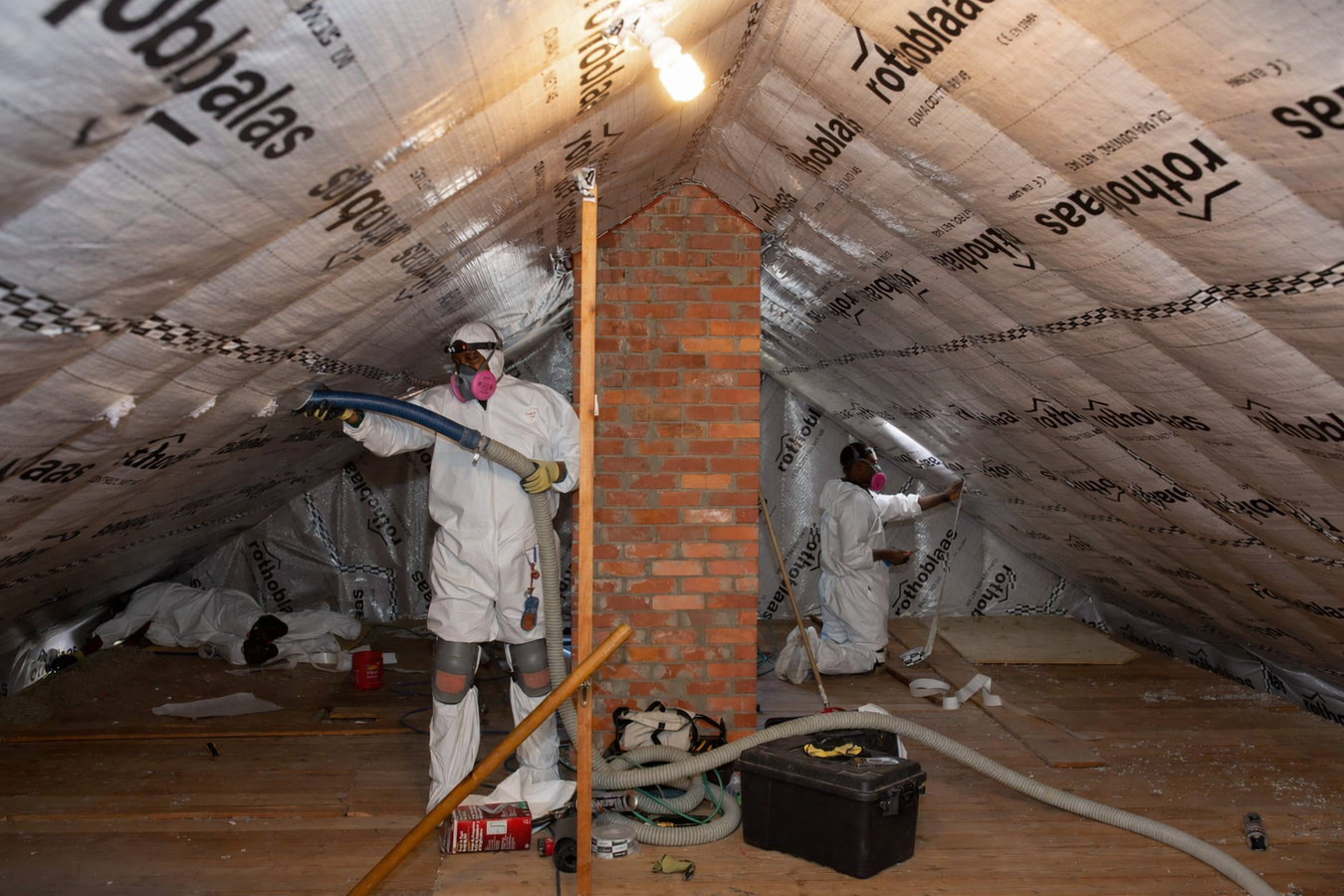
The crew works through the attic methodically, sealing each penetration type using the appropriate material - foam, caulk, or rigid blocking depending on gap size and location. Air sealing is completed before any insulation work begins in the same visit.
After the work is done, we walk you through what was sealed and where. We leave written documentation that can support any utility rebate or federal tax credit claim. Both air sealing and insulation improvements qualify under the current federal energy efficiency tax credit program.
We inspect your attic at no charge, identify specific leakage points, and give you a written estimate showing what needs to be sealed and what it costs. No guessing, no pressure - just a clear picture of your home's actual situation.
(520) 523-1076Air sealing is done inside your attic and involves your home's envelope, so the crew doing it matters. Our installers have spent years on Sierra Vista homes, coordinate any permits your project needs, and photograph the finished work so you have a clear record of what was sealed and where.
Some contractors seal only the largest, most visible penetrations and call the job done. Effective air sealing means addressing every penetration type systematically - recessed lights, pipe and wire holes, wall top plates, attic hatches, and kneewalls where applicable. Skipping smaller gaps still allows significant air movement, which is why we work through each attic methodically rather than spot-treating the biggest openings.
The Building Performance Institute and the Department of Energy both identify air sealing as a step that must come before insulation installation, not after. We treat it that way on every job. If you are getting quotes from multiple contractors, ask each one explicitly whether air sealing is included in the insulation job and done before the insulation goes in. The answer tells you a lot about how seriously they take building science.
Air sealing paired with insulation improvements currently qualifies for the federal energy efficiency tax credit. We provide detailed documentation after every job - what was sealed, where, and with what materials - along with the invoice you will need for any rebate or tax credit claim. This paperwork is part of the job, not an afterthought.
If you want to understand more about how air sealing interacts with insulation and why it matters for energy performance, the Building Performance Institute is the primary organization that certifies building energy professionals and sets standards for whole-home energy upgrades including air sealing.
Air sealing and blown-in insulation are almost always done together - sealing the gaps first, then filling the attic with insulation material to the recommended depth.
Learn moreFor homeowners who want air sealing and insulation completed in a single application, spray foam addresses both steps at once - especially effective in crawl spaces and rim joists.
Learn moreEvery summer storm is an opportunity for humid attic air to enter your home through unsealed gaps. Call or submit a request and we will inspect your attic, identify the leakage points, and give you a written quote at no cost.