Loading...
Serving Sierra Vista, AZ and surrounding areas. (520) 523-1076
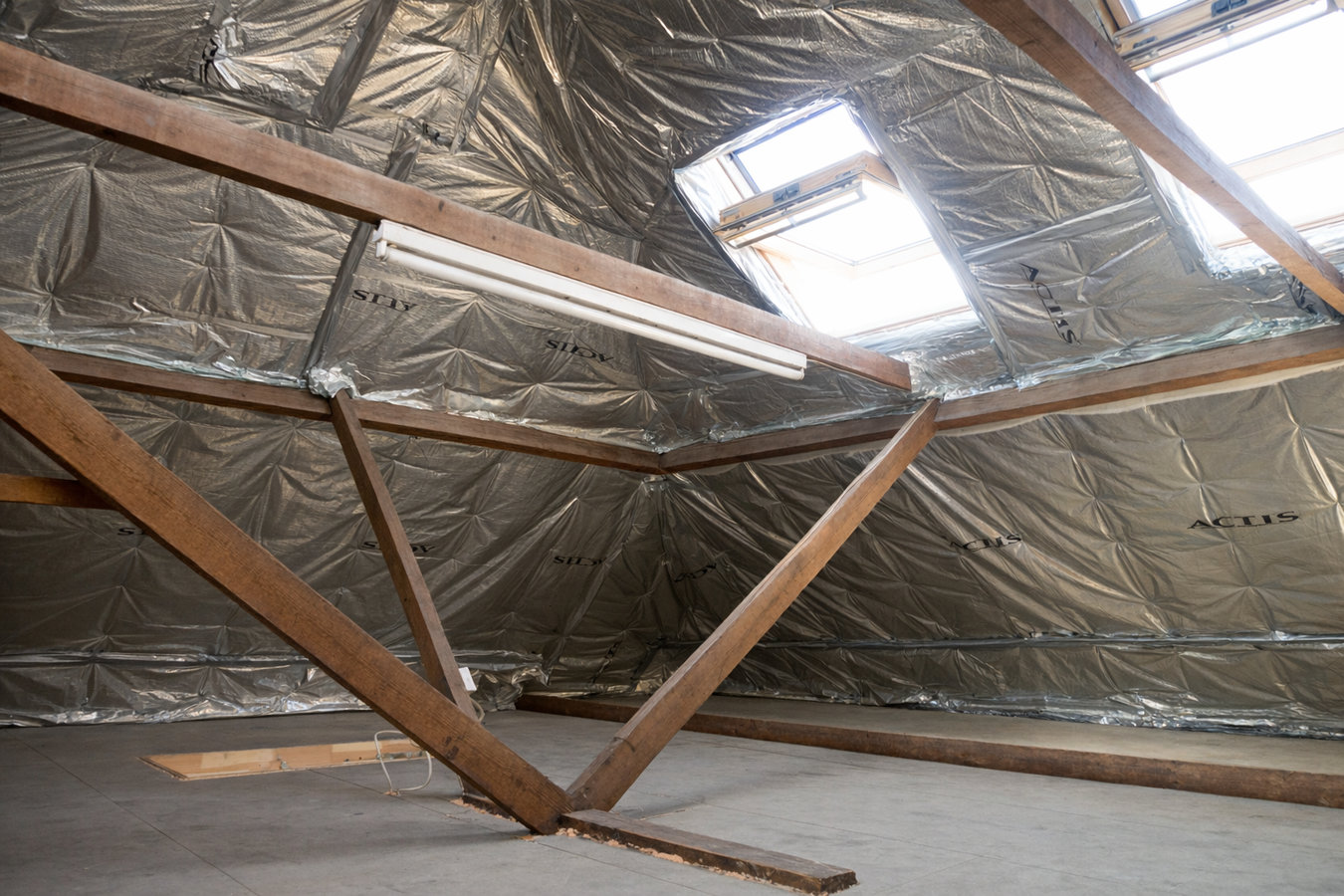
Your attic is where most of Sierra Vista's summer heat enters your home. Properly insulated, it becomes your home's most powerful defense against runaway cooling costs - and the single upgrade that makes the biggest difference on your monthly bill.
Attic insulation in Sierra Vista, AZ acts as a thermal barrier between your living space and the brutal heat above - most single-story jobs are completed in one day with no need to leave your home overnight.
Attic temperatures in Sierra Vista can exceed 140 degrees on a summer afternoon. Without adequate insulation between that space and your ceiling, your air conditioner is fighting that heat every hour it runs. Most homeowners in older parts of town - especially the neighborhoods built during Fort Huachuca's growth years in the 1970s through 1990s - have attics that fall well short of what is recommended for this climate. Adding proper insulation is the one upgrade that tends to show up on your next electric bill. When attic insulation is paired with attic air sealing, the results are even more dramatic - because sealing the gaps first prevents conditioned air from bypassing the insulation entirely.
Sierra Vista's climate is unusual for Arizona. At 4,600 feet, the city gets genuine winters with freezing nights alongside those scorching summers. That means your attic insulation needs to work in both directions - slowing heat transfer in July and keeping warmth inside in January. A properly insulated attic handles both without any added cost or complexity.
If your air conditioner runs almost constantly during Sierra Vista's hot months and your bills are higher than expected, your attic insulation may be the reason. Heat pouring through an under-insulated ceiling forces your system to work harder than it should. This is one of the most common and most overlooked causes of high summer energy costs in this area.
Rooms directly below the attic - especially top-floor bedrooms - are the first to feel the effects of poor attic insulation. If you notice that one or two rooms never quite cool down no matter how long the AC runs, the ceiling above them is likely letting heat through. This is especially common in older Sierra Vista homes where insulation has settled or was never installed to current standards.
Sierra Vista's summer monsoons can push moisture into attics that are not properly sealed and ventilated. If you smell something musty in your home after a heavy rain, or notice water staining or discoloration on your ceiling, moisture damage may be quietly reducing your insulation's effectiveness and creating bigger problems over time.
If you peek into your attic hatch and can clearly see the wooden beams running across the attic floor, your insulation is almost certainly too thin for this climate. Properly insulated attics in the Sierra Vista area should have insulation that covers those beams entirely. This is a quick visual check any homeowner can do without any tools.
The most common attic insulation method for existing Sierra Vista homes is blown-in insulation, which fills irregular spaces, corners, and tight spots around obstructions without requiring any drywall work. It is blown through a hose from a machine and settles into an even layer that covers the entire attic floor. Before the material goes in, we air seal gaps around light fixtures, pipes, and any ceiling penetrations - because insulation without air sealing is like a warm coat with the zipper down. Both steps together are what produce the kind of results you notice on your bill.
For homeowners who want maximum moisture resistance or who are insulating an attic that will be converted to conditioned space, spray foam is an alternative we also install. It costs more per square foot but delivers a higher R-value per inch and seals the attic deck against moisture - a meaningful advantage in a climate with Sierra Vista's monsoon season. We walk through the trade-offs with every homeowner based on their specific attic layout, their existing insulation, and their budget.
The most common choice for existing Sierra Vista attics - fills irregular spaces completely without drywall removal or major disruption.
Done before any insulation goes in, this step closes gaps around fixtures and pipes so conditioned air cannot bypass the insulation layer.
For attics with wet, pest-damaged, or severely degraded material that needs to come out before new insulation can perform properly.
For homeowners who want maximum moisture resistance or are converting attic space - seals and insulates in one step at a higher R-value per inch.
A significant share of Sierra Vista's housing stock dates from the city's growth years in the 1960s through the 1990s, when insulation standards were much lower than they are today. Many of those homes were built quickly to house Fort Huachuca personnel and their families, and insulation was not a priority. Decades later, the original material in these attics has often settled, degraded, or been disturbed by HVAC work and pest activity - meaning it is performing far below even its original rating. Homeowners across Sierra Vista who have upgraded aging attic insulation consistently report an immediate improvement in summer comfort and a measurable drop in their cooling bills. The ENERGY STAR seal and insulate program offers guidance on how air sealing and insulation work together to cut energy costs.
Monsoon season adds a layer of urgency that most other Arizona cities do not have. From July through September, Sierra Vista gets heavy afternoon storms that drive humid air into attics through any gap that is not properly sealed. An attic that is not ventilated and sealed correctly before monsoon season arrives can trap that moisture - leading to mold, reduced insulation performance, and eventually structural damage. We always check attic ventilation and air sealing before installing new material, not as an upsell, but because skipping that step means the insulation will not perform the way you expect. Homeowners in nearby Oro Valley deal with similar summer heat loads and benefit from the same attic insulation approach.
We ask a few basic questions - your home's approximate square footage, its age, and whether you have had any insulation work done before. We schedule an in-person estimate within a few days and reply within 1 business day. This first visit is free and comes with no obligation to hire.
We access your attic through the hatch and spend 15 to 30 minutes evaluating what is there. We check your current insulation depth, look for signs of moisture or pest damage, and note any gaps around pipes and light fixtures. You receive a written estimate that explains what we recommend and why, in plain language.
The crew arrives with blowing equipment and hoses for loose-fill insulation. They air seal any gaps first, then install the insulation to the agreed depth. The work is noisy while the blowing machine runs but is contained to the attic. Most standard-sized homes are finished within four to six hours.
Once the insulation is in, we clean up and invite you to see the finished job. We leave you with documentation showing the type of insulation installed and the final depth achieved - which you will need for any utility rebate or tax credit claim. Keep your invoice somewhere accessible.
Sierra Vista summers are long and the sun is intense at this elevation. A contractor will visit your attic, measure what you currently have, and give you a written quote showing exactly what is needed and what it costs - no obligation required.
(520) 523-1076Every job starts with a free written estimate that spells out the work, the materials, and the cost in plain terms. You can compare it against other quotes on your own time - removal, air sealing, and cleanup are all itemized so there are no surprises later.
Many contractors skip air sealing because it takes extra time. We include it because insulation without air sealing underperforms - conditioned air bypasses the material through gaps around fixtures, pipes, and framing. The Building Performance Institute recognizes air sealing as a critical step in any effective attic upgrade, and we treat it that way on every job.
We have worked in attics across the city - from the older neighborhoods near Fort Huachuca built in the 1970s and 1980s to the newer subdivisions on the north side of town. Sierra Vista attics have specific challenges: monsoon moisture risk, high-altitude temperature swings, and decades-old insulation that has often settled well below its original rating. We know what to look for and how to address it.
Many Sierra Vista homeowners receive power through Tucson Electric Power, which has offered rebates for qualifying insulation upgrades. Federal energy efficiency tax credits are also currently available. We provide all the documentation you need to file those claims after your job is done - product data sheets, installed depth, and a detailed invoice. Explore current rebate options at the Tucson Electric Power energy efficiency page.
An experienced crew, proper air sealing, and accurate documentation after the job are what separate a real attic upgrade from one that looks good on paper but does not perform. We bring all three to every project in Sierra Vista. For more on what makes an effective attic insulation job, the North American Insulation Manufacturers Association offers independent guidance on installation standards.
Blown-in loose fill is the most common material used in Sierra Vista attics - it fills corners and irregular spaces completely without any drywall removal.
Learn moreSealing gaps around fixtures and penetrations before adding insulation is the step that separates a good attic upgrade from one that actually moves the needle on your energy bill.
Learn moreEvery summer you wait is another season of overpaying to cool your home. Call or submit a request and we will come out, assess your attic, and give you a written quote at no cost and no obligation.