
Loading...
Serving Sierra Vista, AZ and surrounding areas. (520) 523-1076
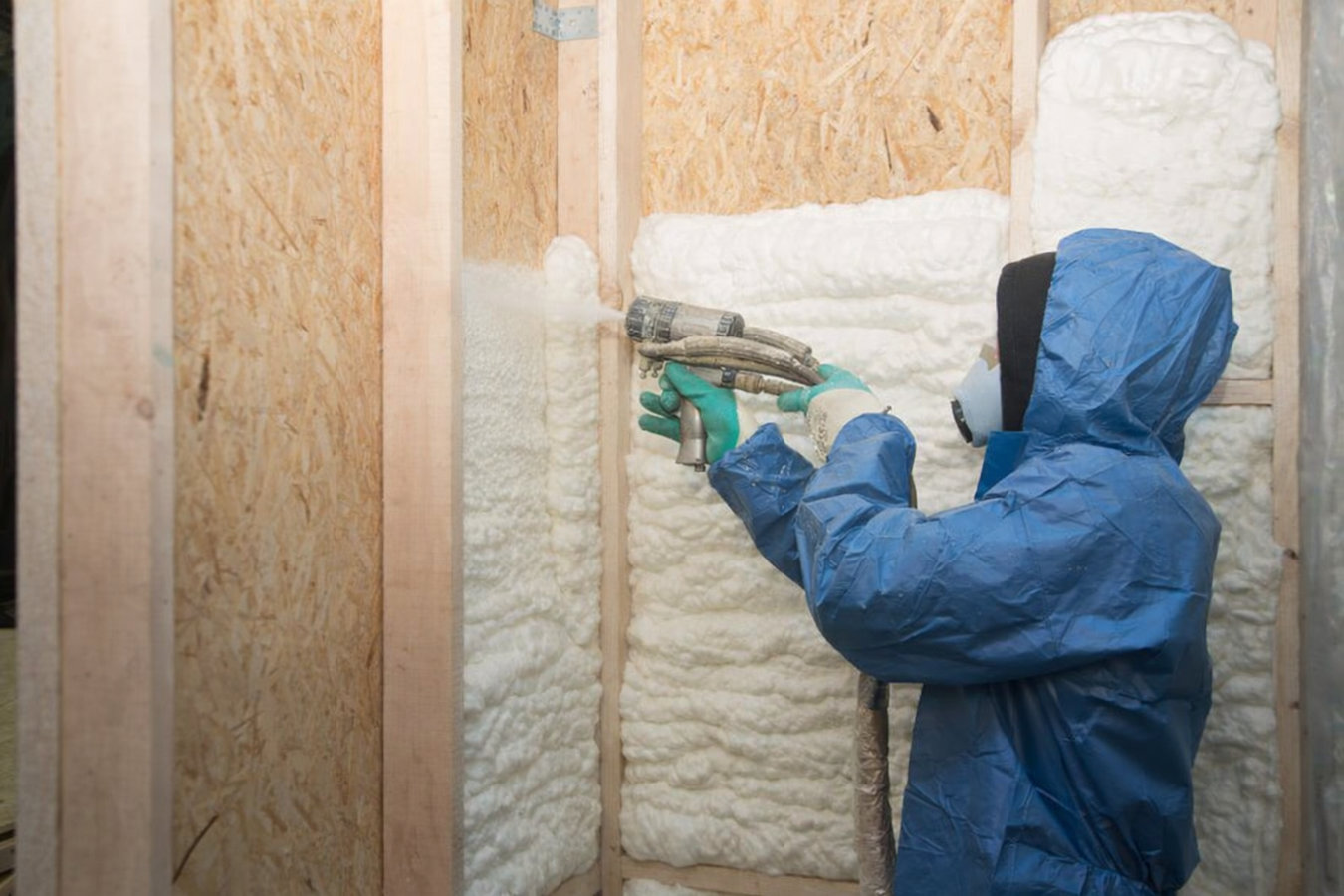
Sierra Vista Insulation serves Douglas homeowners with spray foam insulation, attic insulation, and air sealing - a local insulation contractor that has been working in Cochise County since 2023 and knows the adobe, stucco, and early 1900s housing stock throughout Douglas firsthand.
Douglas homes - especially the adobe and stucco structures near downtown that date back to the early 1900s - have countless gaps around aging window frames, pipe penetrations, and original framing that let conditioned air escape year-round. Our spray foam insulation expands to fill those gaps completely, acting as both insulation and an air seal in a single application - something standard batts or blown-in material cannot do in irregular old-construction cavities.
Douglas sits at nearly 4,000 feet elevation, which means summer sun hits the roof at a harder angle than in lower Arizona cities and winter nights drop below freezing regularly. Many homes here were built when attic insulation was minimal or nonexistent, and the result is a living space that bakes in summer and struggles to hold heat in January - both problems that proper attic insulation corrects directly.
In a Douglas home built a century ago, the list of air leak locations is long - gaps behind baseboards, cracks around original window frames, open chases between floors, and unsealed attic penetrations all work together to pull conditioned air out and let outdoor air in. Sealing those pathways before adding new insulation is the step that makes the difference between a home that performs and one that still feels drafty after insulation work is done.
For Douglas homes where the attic is accessible but the construction makes it impractical to open walls, blown-in insulation covers the attic floor quickly and fills the irregular spaces left by old framing. It is a cost-effective option for homeowners working with modest budgets - common in Douglas given the area's home value range - and can be completed in a single visit without moving furniture or disrupting the living space below.
Adobe walls provide natural thermal mass but do not deliver the continuous insulation value of modern materials, and most Douglas homes have stucco-finished walls with little or no cavity insulation behind them. Adding insulation inside exterior walls reduces the amount of heat that transfers through the building shell during the long hot afternoons and keeps warmth from escaping through the same walls on cold winter nights.
Homes from the early 1900s may still have original insulation materials that are compressed, pest-damaged, or no longer safe - and putting new insulation on top of degraded old material is one of the most common reasons an upgrade underperforms. We remove the old material before new insulation goes in, so the finished job delivers what it is supposed to rather than masking a problem underneath.
Douglas sits at about 3,990 feet in the Sulphur Springs Valley on the U.S.-Mexico border, and the elevation changes everything about how the climate behaves. Summer highs push into the mid-90s, but the sun at this altitude is intense - UV exposure breaks down stucco, caulking, and roofing materials faster than homeowners expect. Then the monsoon arrives from late June through September, dropping heavy rain in short bursts that push moisture into every gap and crack in the building envelope. And unlike low-elevation Arizona cities, Douglas winters are genuinely cold - temperatures drop below freezing on many nights from November through February, creating freeze-thaw cycles that crack stucco and stress any uninsulated pipe or cavity in older homes.
The housing stock compounds the climate challenge. A large share of Douglas homes date to the early and mid-1900s, built during the copper mining boom with materials and techniques from that era. Adobe brick and stucco construction is common throughout the older neighborhoods, and these homes frequently have flat or low-slope roofs that sit vulnerable to monsoon standing water. The expansive clay-type soils in the Sulphur Springs Valley also shift as they wet and dry, which slowly opens cracks in stucco and foundations that become air and moisture pathways. None of these details matter to a contractor unfamiliar with the area - but they shape every insulation job we do in Douglas.
We have been serving Cochise County since 2023, and Douglas is one of the most distinct communities we work in because of its older building stock. On many jobs near downtown, we are working in homes that are 80 to 100-plus years old - plaster walls, original window frames, flat roofs, and construction details you simply do not encounter in newer Arizona suburbs. When permits are required, we coordinate with the City of Douglas directly, which keeps the process straightforward for the homeowner.
Douglas is oriented around 10th Street and G Avenue as the main corridors through the heart of the city, with the historic downtown and the iconic Gadsden Hotel anchoring the older residential neighborhoods to the west and south. Newer single-family subdivisions spread out toward the northeastern edge of town. We work throughout all of it - from the 100-year-old blocks near the Gadsden to the more recent homes out toward the Mule Mountains. Homeowners in Sierra Vista to the northwest face a similar Cochise County climate with similar older housing considerations, and we serve that area as well. Our crews also work regularly in Nogales to the west, another border community with comparable building stock and weather patterns.
Reach us by phone at (520) 523-1076 or through the contact form on this site. We respond within 1 business day and will ask a few basic questions about your home - age, what you are noticing, and what areas you want addressed - so we arrive prepared rather than starting from scratch on-site.
We inspect the attic, exterior walls, and any problem areas you have identified. In older Douglas homes this often reveals issues that are not visible from the living space - compressed original insulation, open chases, or moisture damage in the attic. You get a written estimate with a clear scope and price before we ask you to commit to anything.
Most Douglas residential insulation jobs complete in one or two days. If spray foam is part of the scope, you and your household will need to leave during application and stay out for at least 24 hours while the foam cures. For blown-in attic work, you can remain in the home throughout. We protect living spaces from dust and debris before starting.
Before we leave, we walk you through the completed work so you can see what was done and ask any questions. We document the finished insulation levels in writing and are available for follow-up if you have questions after your first summer cooling season.
We serve all of Douglas - from the older neighborhoods near downtown to the newer homes on the outskirts. Free written estimates, no pressure.
(520) 523-1076Douglas is a city of about 16,000 people in southern Cochise County, sitting directly on the U.S.-Mexico border across from Agua Prieta, Sonora. Founded in 1901 as a copper smelting town, its downtown still carries the character of that era - the Gadsden Hotel, built in 1907, remains one of the most recognized landmarks in southern Arizona, and many of the residential streets near downtown date back to the same period. Single-family homes dominate the housing mix, and a significant share of residents are long-term owners who have lived in the same house for decades - the kind of homeowners who maintain what they have rather than turn over properties quickly.
The economy is tied to the international border crossing and to government and school district jobs, which means Douglas has a steady, modest-income community that tends to be practical about home spending. Most homes are modest in size - often in the 1,000 to 1,500 square foot range - but the combination of old construction, high-elevation climate swings, and monsoon humidity means even a small home needs proper insulation to stay comfortable and affordable to run. Homeowners in Benson to the northwest share the same Cochise County climate and similar older housing challenges, and we cover that area too.
High-performance spray foam that seals and insulates in one application.
Learn moreDense, moisture-resistant foam providing the highest R-value per inch.
Learn moreLightweight, flexible foam ideal for interior walls and soundproofing.
Learn moreCommercial-grade insulation for offices, warehouses, and retail spaces.
Learn moreHeavy-duty vapor barriers to keep moisture out of your crawl space.
Learn moreProfessional installation of vapor barriers in walls, floors, and crawl spaces.
Learn moreServing these cities and communities.
Older home or newer build, we know what Douglas properties need. Call today or submit a request and we will get back to you within 1 business day.